Artwork Guideline

Customised Clothing Logo

Customised Clothing is your go-to source for creating personalised apparel that stands out.

Whether you're a business looking to enhance your brand identity, a sports team aiming to foster team spirit, or an individual wanting to express your unique style, our guides are designed to help you navigate the customisation process with ease. This introduction provides an overview of the essential guides available, ensuring you have all the information needed to make informed decisions and achieve the best results for your custom garments.
Computer monitor on a desk

Artwork Guide for Customised Clothing

At Customised Clothing, we pride ourselves on ensuring that every piece of artwork looks exceptional when printed or embroidered on your chosen garment. Our expert production team works closely with customers to deliver high-quality results that match your vision. To help you prepare your artwork for customisation, here’s a comprehensive guide covering key considerations to keep in mind when placing your order.

Quick Fire Artwork Questions

Before you submit your artwork, you might have a few quick questions. Here are some common queries and their answers:

What file formats do you accept?

We accept various file formats, including JPEG, PNG, PDF, AI, and EPS. For the best results, we recommend using vector files (AI or EPS) as they provide the highest quality and scalability.

What resolution should my artwork be?

Artwork should be at least 300 DPI (dots per inch) to ensure sharp and clear prints. Low-resolution images can appear pixelated or blurry when printed.

Can I make changes to my artwork after submission?

Yes, you can make changes to your artwork before final approval. Once the design is confirmed, any changes may incur additional fees.
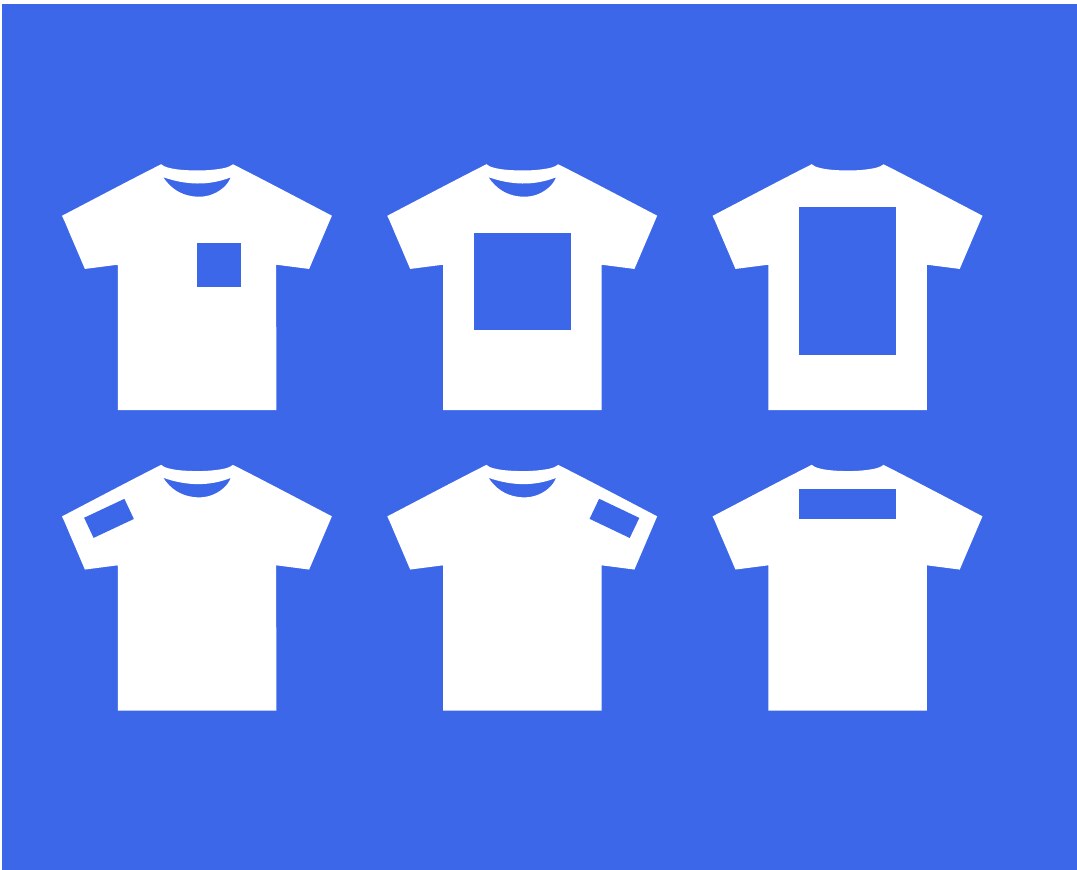
Print and embroidery positions on a t-shirt

Positions We Can Print and Embroider

Understanding where you can place your artwork on the garment is crucial. Here are the common positions for printing and embroidery:
  • ·Front Centre: This is the most popular placement for logos and designs, ideal for showcasing your brand prominently.
  • ·Back: A great option for larger designs or messages. For example, a company name or slogan can be displayed across the back.
  • ·Left Chest: Common for logos and small designs, this position is subtle yet visible.
  • ·Right Sleeve: Ideal for smaller logos or additional branding elements, offering a unique placement.
  • ·Left Sleeve: Similar to the right sleeve, it’s another option for small designs or accents.
  • ·Hem or Bottom of the Garment: For a more discreet placement, designs can be printed or embroidered at the hem or bottom.
  • ·Inside Back Neck: Perfect for custom branding, size information and wash care instructions
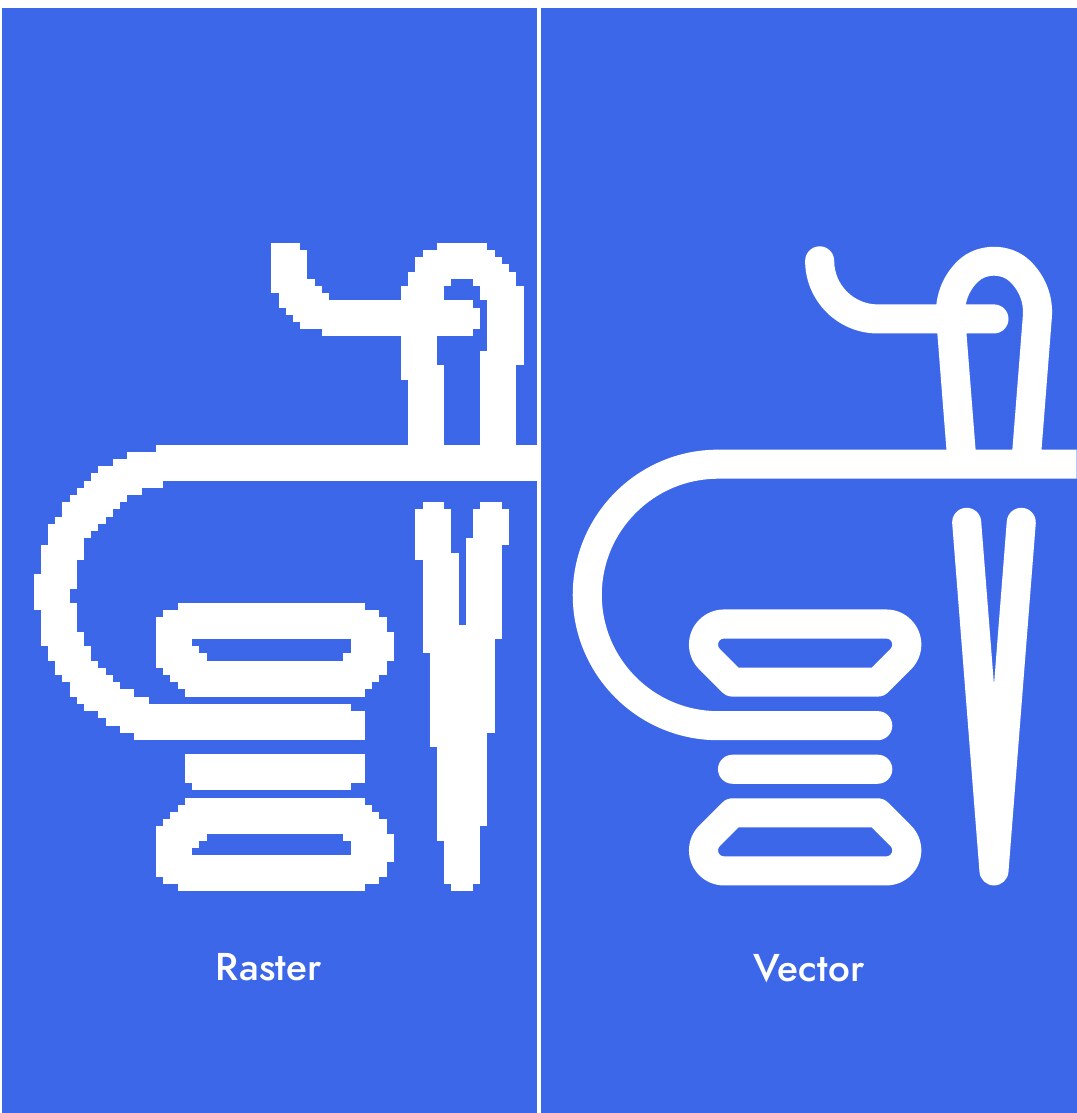
Raster versus vector artwork comparison

Artwork Quality

The quality of your artwork directly impacts the final result. Here’s what you need to consider:

  • ·Vector vs. Raster: Vector files (AI, EPS) are preferred as they can be scaled without losing quality. Raster files (JPEG, PNG) can be used, but ensure they are high resolution to avoid pixelation.
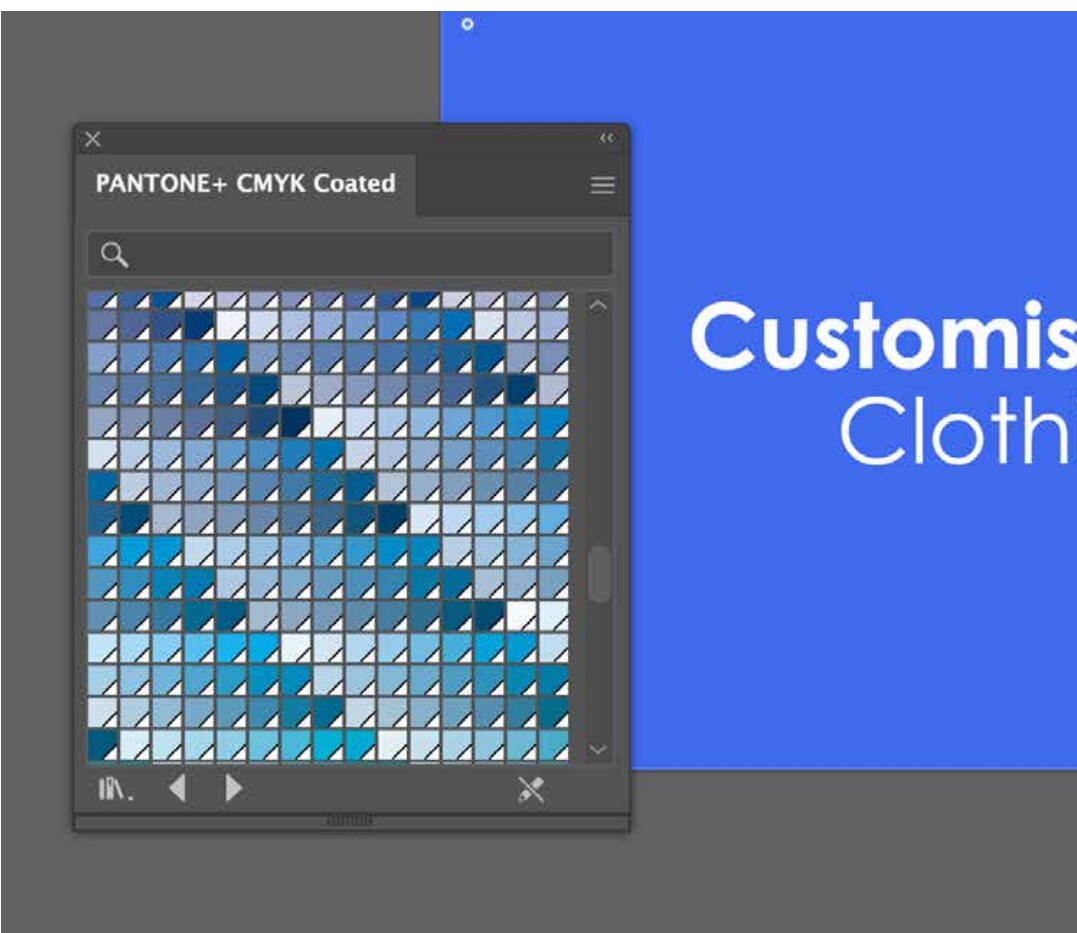
  • ·Colour Matching: Colours in your artwork should be specified using Pantone Matching System (PMS) colours for consistency. Keep in mind that colours may appear differently on various fabrics due to differences in texture and dye.
  • ·Design Complexity: Simple designs with fewer colours and clean lines typically yield better results. Intricate designs with many colours may be challenging to reproduce accurately.

Image Transparency

Transparency in artwork can affect how it prints or embroiders:
  • ·Prints: Transparent areas will show the underlying fabric colour. Ensure that transparency is intentional and enhances the design rather than creating unwanted effects.
  • ·Embroidery: Embroidered designs cannot have true transparency. If your artwork includes transparent areas, they will be replaced with the garment’s fabric colour.
Pantone colour palette in design software

Printing and Embroidery Limitations

Each customisation method has its own limitations:

  • ·Screen Printing: Best for larger quantities and simple designs. It may not be suitable for very fine details or gradients.
  • ·Direct-to-Garment (DTG) Printing: Ideal for complex designs and small quantities. DTG printing can handle a wide range of colours and gradients but may not be as durable as screen printing.
  • ·Embroidery: Perfect for logos and text. It is durable and has a high-quality finish but may not reproduce intricate details or fine gradients as well as printing.
  • ·Heat Transfer: Suitable for detailed designs and smaller runs. It involves transferring the design onto the garment using heat, but it might not be as long-lasting as embroidery or screen printing.

By considering these factors, you’ll ensure that your custom clothing turns out exactly as you envision. Our team at Customised Clothing is here to assist with any questions or concerns you may have throughout the process. With the right preparation, your custom garments will not only look fantastic but also effectively represent your brand or personal style.

In-house Production

State of the art design tool

Expert customer service

Sign up to our newsletter

Customised Clothing

We bring you everyday essentials and reliable workwear that feel good, last long, and fit right. Whether you are buying for yourself or a team, get fast delivery and easy customisation in under 30 seconds, plus friendly support when you need it.

Payment Methods

VisaMastercardAmerican ExpressPayPalApple PayGoogle PayBACS
Customised Clothing

© Customised Clothing is a trading name of DSK Holdings Ltd

Company No. 11878762